Showing posts with label animal welfare and sheltering stuff. Show all posts

Sunday, June 28, 2020

Thoughts on "condo collies" and other "apartment-inappropriate" pets

For a couple of years, I had two border collies, one of which was bred to be a cow dog. My partner and I both worked full time jobs and usually weren't able to come home at lunch, and for a while we lived in a two bedroom, second story apartment. Sounds like the worst situation for border collies, right?

Here's all it took to keep my condo collies satisfied: twenty minutes of fetch in the yard/field in the morning before work. Filled kongs for while we were gone. They had run of the house and, after we moved, a doggy door to the fenced yard for the nine hours they were alone. More fetch or an off leash walk in the evening when we came home. A few minutes of trick-training for their dinner, then hanging out with the family as we went about our evening housework, dinner prep, and relaxing.

They both slept quietly in their crates next to the bed every night, and rarely made a peep until we got up the next morning. They didn't destroy anything, they didn't bark or develop obsessive habits. Every indication was that they were content and happy to be part of our lives.

When I got pregnant, the routine started slipping. For three months I was nauseous from noon until bedtime, and the only relief seemed to be to sit or lie down, so the evening walk was the first to go.

Soon, the only evening exercise they were getting was a few minutes of fetch in the yard. By the second trimester, I was more tired in the mornings and was sleeping through my alarm more often, so soon they weren't getting morning exercise every day either. I started getting lazy about filling their kongs every day. I started feeling exhausted in the evenings after work. All I wanted was to lay on the couch until bedtime.

By the middle of the second trimester, the poor dogs were rarely getting any exercise during the week at all, and only one good long off-leash walk on the weekends. It's no coincidence that they both started counter surfing during this period. Some dishes were broken. We learned to puppy-proof in the mornings, so it still wasn't a huge issue.

We made it through pregnancy and the newborn stage with both dogs still happy in their living situation. A couple years later, we thought that it still wasn't fair to the farm-bred one to be cooped up so much, so we re-homed her to a sheep farm. Ironically, she turned out to be bad at herding, as well, so she continues as a house pet to this day.

I'm not saying that a working-bred dog is for everyone. But so often we find ourselves judging pet owners for the type of animal they've chosen. I certainly have in the past, but, especially in the year 2020, we could all learn to let go of that knee-jerk reaction to assume the worst about strangers we know nothing about.


Thing's I've learned on the job

Things I've learned from working at a vet clinic and animal shelters:

-You can't fix everything all at once

-There is no such thing as a "perfect" pet home

-You never know the whole story

-A person's bank account is not an indicator of how good of a pet owner they will be

-There is no such thing as a completely healthy bulldog

-People will lie to you. (It doesn't automatically make them bad people)

-People will make mistakes. (It doesn't automatically mean they shouldn't own pets)

-People really can learn from their mistakes if given the opportunity

-Many more people than you would think are able to successfully keep multiple, large dogs without a fenced yard

-People get way more defensive about their dog having fleas than almost any other aliment

-DVM's can succumb to observational bias just like anyone

-Landlords will always complain about their tenants no matter what

-I really need to take a refresher course in conversational Spanish

-You may not understand why someone feels the need to spend a couple thousand bucks to import a rare breed of dog from Eastern Europe just because they read online that the breed would "make a good jogging partner", but it really doesn't matter what you think. Not everyone needs a lecture on their decisions

-"Pit bulls" really, truly, are a popular type of pet

-There is a definite correlation between a dog's status as "outdoor only" and how likely they are to be leash trained

-There are a lot more people than you'd guess that have "outdoor only" dogs that are loved and receive regular vet care

-People in the thick of animal rescue do not give enough credit to members of the community who help animals in small ways


Monday, July 16, 2018

Everyone Uses Bleach Wrong: A PSA with BONUS! Super Hero Analogy

I worked in an animal shelter once upon a time, and as you can imagine it was both rewarding and stressful; there were high highs, and low lows of all kinds, but there was one area that never failed to suck me into a twilight zone of misery: catching a volunteer or co-worker in the act of -- and then correcting on -- the improper use of chlorine bleach.

Bleach is our friend. It is the most effective, cheapest, most environmentally-friendly option for killing most of the terrible germs out there. And everyone seems to use it incorrectly. Too many people treat bleach more like a magic talisman than a disinfectant, filling a spray bottle and spritzing it on everything in the style of Windex Mom in My Big Fat Greek Wedding.

Bleach is like a comic book hero who has super strength only under the right circumstances. If the "bad guys" are hanging out somewhere wide open and clean, bleach is unstoppable. Other disinfectants like QAC's are more like stealthy assassins, sneaking in through the air ducts to get to the center of the bad guys' hideouts. The bad guys can learn to stop the assassins by simply blocking the air ducts, but they have no defense against the brute-force of bleach. (This is also why germs are not likely to develop resistance to chlorine bleach the way they can to the QAC's).

Except... like all good super heroes, bleach has a major weakness: dirt (all organic material, actually). The moment bleach touches dirt, it loses all its power. The bad guys can hide inside a microscopic ball of organic matter all day long. It's like a giant, multi-room mansion to them, and all bleach can do is peek in the windows.


Chlorine bleach does not work on:

Wood 
Carpet
Plush toys 
Most furniture
Fabric* (gray area, see below)
Dirty dishes
Dirty concrete
Dirty anything
Dirt

Let me repeat this, because I've talked to a lot of people about this, from all walks of life, and it's always a hard sell: I swear to you, no matter what you've heard (or who you've heard it from): Bleach will not work on porous or dirty things. I'm sorry, you can't disinfect that cutting board you bought from the thrift store. Or the second-hand drift wood for your lizard's terrarium. We've all done it at one time or another. You're not the first one to dump bleach onto the slobbery dog toys, or litter-encrusted cat box, or into your parvo-contaminated lawn, or spritz it on your ringworm-covered clothes, and think that you killed a few germs. It really doesn't do anything except sometimes change the object's color.

And I have more bad news: the same is true for all the other disinfectants out there; there is no such thing as a magic disinfectant that will solve all your organic material problems, no matter what certain brands' marketing implies. (With the possible exception of accelerated hydrogen peroxide and potassium peroxymonosulfate, but even those are only slightly better in the presence of organic matter. Plus they're much more expensive, and have higher health risks to users, than bleach).

But do not despair! Microorganisms don't always need to be killed, they can be PHYSICALLY removed from their hideouts. Washing with detergent, tons of rinsing, hot dry cycles. Don't forget about that overlooked hero, Heat. The most important disinfection process of all, autoclaving surgical instruments, doesn't use any special chemicals at all, just heat.

And sometimes you have to just bite the bullet and throw contaminated things away. If that thing is your yard, digging out the contaminated soil and throwing it away, or burying it in a thick layer of mulch may be a better answer than trying to clean it. Speaking of...

Soiled soil
Yes, it's tough when an outdoor area is contaminated by something nasty and contagious. The most porous and dirt-laden place of all is the same place most likely to be contaminated when you have a sick pet. Most of our worst enemies like parvo, panleukopenia, crypto, and ringworm can live for a long time in the soil. Many pet websites (and a lot of veterinarians) recommend, in addition to other protocols, at least giving a chemical disinfectant a try on your yard if you've had for example, parvo dogs pooping there. I could probably get on board with the idea of giving it a try, just in case it kills a few baddies, except for one problem: if it doesn't work, (and the science tells us it probably doesn't) you won't be able to tell, and you risk getting complacent.

Fabric
Dealing with contaminated clothing is almost as fraught as a contaminated yard. Yes, some bleach products are labeled to disinfect clothing - but in a very limited way: Adding the correct amount to a load of laundry in a washing machine run with cold water that doesn't contain very much organic material. In which case, the action of the detergent and water alone may physically remove more germs than the bleach will kill.

The problem is, I've seen way more people using bleach incorrectly with clothing than any other application. I've observed multiple professionals (veterinarians, certified vet techs, nurses) recommend spraying contaminated clothing with a bleach solution (or other disinfectant, like a quat, usually). This isn't doing jack sh*t. I totally understand you want to feel like you're doing something, but using it this way isn't just useless, it may make things worse by encouraging less caution with the (still contaminated) clothing.

Proper use of bleach: an original mnemomic, just for you!

If you have a non-porous thingy to disinfect, remember to S.W.A.P.

Stay cool! Heat kills bleach (aka, it accelerates the loss of the chlorine ions before they can do their work). Mix with cold water only; if you're going to use in a washing machine, set it to cold; don't use bleach on something hot, like recently washed dishes.

Wash First! -- always pre-clean before disinfecting.

Alone! -- Bleach works best alone. Don't mix it with anything besides water. Unless you're experimenting with re-creating mustard gas, and want to burn your lungs out, then by all means.

Yes, I know they make "cleaner and disinfectant in one" products that had to have passed some efficacy tests before being sold. Buy them if you can afford it, but please, please, don't try to mix your own. Don't try to mix in an essential oil because you don't like the smell of bleach (yes, I once had to stop a volunteer from doing this at the shelter).

Proper dilution! more is not always better. Believe it or not, for some germs, more concentrated bleach doesn't work as well as properly diluted bleach - I suppose it would be as if Super Bleach were all hopped up on Angry Acid and screamed the whole time he ran down the street before attacking the bad guys' hideout - announcing his presence so forcefully would give the bad guys a chance to run away (non-enveloped bacteria link). The perfect dilution of Bleach allows it to punch through the bad guy's defenses with exactly the right amount of force and speed to complete demolish them it before they know what's happening.

OK, that's one of the worst mnemonics I've ever heard, but you get it.

Now, go forth and kill some parvo!

References:
Bleach factsheet from the NIH
Bleach factsheet from the CDC
Cleaning and disinfecting in shelters
UW FAQ on killing parvo
UC Davis FAQ on killing parvo in yards
Resistance mechanisms of bacteria to antimicrobial compounds (PDF)
Antiseptics and Disinfectants: Activity, Action, and Resistance
Bacterial resistance to disinfectants containing quaternary ammonium compounds
How long can different germs survive on surfaces?
Air temperature greatly affects how long crypto can live on the ground: one day vs. 73 days

Image description: a crude cartoon drawing of a anthropomorphized bottle of bleach, labeled "super bleach" and wearing a mask and cape, as it faces off against a blob of brown substance containing anthropomorphized microorganisms, who are frowning at the hero.

Wednesday, February 7, 2018

Who to blame for shelter dog euthanasias?

So, you saw a sad advertisement on social media about shelter pets dying from "lack of homes". You got sad, then you got mad. Time to blame someone! Odds are good, whoever made the ad already has a target handpicked: Is it... breeders? "irresponsible" pet owners? Maybe the solution is to punish people more, to enact more laws, give the maker of the ad money?

It feels good to blame "the other" for bad things. It's human nature. But let's all take a breath and consider what's really going on. Since the odds are good that the ad you just saw fudged or outright lied about some statistics, let's start with...

Real Numbers* 

About 670,000 dogs are euthanized in US shelters per year. Of those, about 10% are euthanized for a good reason** (ie, the same reasons that a compassionate pet owner would). So, the number of deaths-from-lack-of-home is actually about 570k.

Good news: There are about 78 million pet dogs in the US, so 570k dogs represents less than 1% of the dog population as a whole. Overall, we as a society are doing pretty good by our dogs. Let's not lose sight of that.

More good news: this number has been dropping steadily and significantly for the last couple decades. Also, the numbers of dogs entering shelters has been declining, the percentage being adopted has been increasing, and the number of strays returned to owner has been increasing. Something to celebrate!

Even more good news: even though it's still a large, sad number, there are actually more than enough homes available for these dogs***. It is a complete myth that there is an "overpopulation" of dogs in this country. It might have been true in the 1960's or '70's, but now it is not. There are 17 million potential homes, and only 570,000 dogs killed for "lack of a home". The only real question is, how to get them into the hands of people who are looking for them?

Logically, since things are already improving every year, if we want to end unnecessary euthanasia. we should focus on the things that work, and keep doing them but even better. The solution to needless killing has nothing with dog breeders, and actually not even all that much to do with the people who relinquish their pets to a shelter. The problem, and the solution, lies mostly with with the decisions that shelters make.

Bottom line: well-functioning shelters have low euthanasia rates; poorly-functioning shelters have high euthanasia rates. All other factors are drops in the bucket compared to the importance of shelter policies and procedures.

What do "good" animal shelter policies look like? They have pet retention programs, they work actively to promote adoptions, actively work to reunite lost pets with their owners... etc.

IMG_20150920_083719


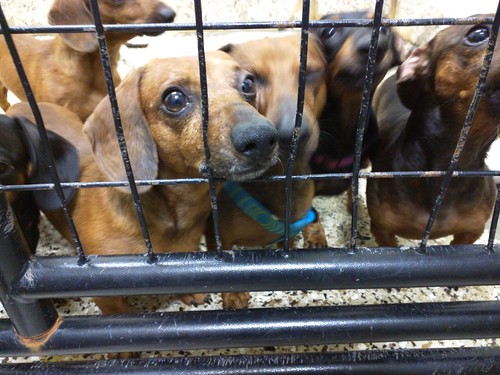
What does a "bad" animal shelter look like? They don't do the things listed above. Here's some examples.

Some more examples contrasting good vs. bad policies, and how they affect euthanasia rates.

Here's a story of how a bad shelter became a good one.

You still mad about dogs being killed? Good! Use that anger to personally improve the kill rates in your local shelter. If it's already a good shelter, or is on the right track, you can volunteer or otherwise support them. If it's a bad shelter, you can help them get on the right track, or, if they're stubborn, you can speak out, protest, boycott, attend city council meetings... all that good stuff. Be an actor, not a keyboard warrior. And don't share memes without checking them out first.

Maybe you're already very active in the rescue community, and you're angry because it seems like, where ever you turn, you see irresponsible people dumping their pets at shelters. I'm here to remind you that what you see is never the full story, if you knew what people go through when they surrender pets, you wouldn't be so quick to judge, and, even if they are the worst people in the world, they represent a tiny, tiny fraction of dog life in the US. Don't let your anger blind you to the fact that things are getting better all the time, not the reverse. Don't use your anger to spread lies and fear monger. Don't lash out at potential allies like dog breeders. Look at the numbers above and take a moment to celebrate before turning back to the work.


*There is no national organization that tabulates these stats, they vary from state to state, and even from shelter to shelter. I'm using the best estimates available at this time.

**"Good reason" is extremely subjective, and is open for discussion, most knowledgeable people in the field agree that an appropriate "kill rate" for shelter population is somewhere between 1%-20%. I've taken a middle number here for math purposes.

***This is grossly oversimplified, because clearly not every dog will be right for every family, and the US is just too physically large to move dogs around easily, and we can talk about the issues with these numbers, BUT, the point is clear: you can't say that an "overpopulation" exists.

Sources

Pet Statistics for 2016 (ASPCA)

ASPCA Research Articles

An Exploration of the Re-Homing of Cats and Dogs in the U.S. (PDF)

Shelter Reform Toolkits

KC Dog Blog

Association of Shelter Veterinarians Shelter Guidelines (PDF)

YesBiscuit!


Wednesday, February 22, 2017

I Love You But No: An Open Letter to Animal Rescuers

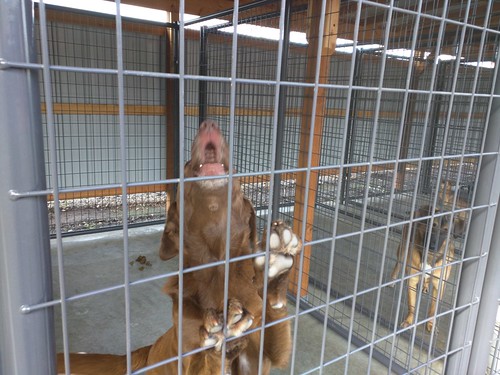
IMG_20151018_132810


Hello, animal rescue peeps. I love you. I really do. Working with rescuers this last decade has shown me the sort of dedication, bravery, and strength that songs are written about.

But you can be so fucking ridiculous sometimes.

And I'm not talking the "fostering ten different dogs at once" kind of ridiculous, though there's plenty of that. Or the "trying to do everything by yourself without researching resources" ridiculous, though there's sadly too much of that, too. Or the "driving a hundred miles to transport a sick kitten to the only vet clinic who would treat it", kind of ridiculous.

I'm talking the judgmental kind. Sorry, but you know in your hearts it's true. You even agree with me with one half of your brain, while the other half is already poised over the "Flag" button on Craigslist, searching for the barest hint that someone, somewhere, is rehoming a pet using methods you don't approve of and/or for reasons you don't agree with.


I love you, my fellow animal lovers, but stop, please.

We don't know better than the average pet owner. We don't need or deserve to be gate-keepers to pet ownership. None of us has a PhD in rehomology. The only difference between a "rescuer" and Average Jane Pet Owner is the amount of time we spend on pet-related things. We've made it our hobby, and it's an important one! We do good things with this hobby. We probably make the world a little better through our efforts... but that doesn't make us better than anyone else.


A Handy but Incomplete List of Shit Rescuers Need to Stop Doing

1) Stop the social media punishment

It felt good to post picture of a skinny dog and get that chorus of agreement from followers, didn't it? It felt good to flag all the Craigslist rehoming posts that one day, didn't it? It felt good to take all your frustration and drape it haphazardly on the shoulders of a stranger on the internet. They probably deserve it, and people agree with you, so it's ok, right?


Did you do those things because you honestly thought it would help any animals, or because you knew you'd get an ego boost?

This sort of tribalism is dangerously seductive. Sometimes, venting is important. Trust me, I totally understand the importance of letting off steam. Shelter work is a stressful and underpaid, and you end up seeing humanity at it's worst. But too much "venting" is not healthy, and in aggregate, this avalanche of negative, often illogical and anti-factual "venting" is counterproductive. It hurts the reputation of rescue in general and pushes away the very people who need help or advice the most.

Obviously, there are real monsters out there. And there are probably times when they need to be outed. Odds are very, very high, however, that you don't need to be the one doing it, or even commenting about it, especially if you don't know the full situation. A good rule of thumb is: if it makes you feel smug, think twice, or thrice, before posting.

And on the topic of sharing...

2) Stop making up sad stories

When a dog comes to you with an unknown history, resist the urge to make one up. Not every skinny dog was starved (for that matter, not every "skinny" dog is actually skinny - many people, even vets, have a hard time judging a healthy weight). Scars are not necessarily from fighting. Timid does not mean past abuse. 'Scared of men' does not mean past abuse. And fer the love of pie crust, do not use the term "bait dog" unless that dog was literally confiscated from a fighting operation with a sign around its neck labeled "bait". "Bait dogs" are not nearly as common as rescuers think they are.

Sometimes these sob stories sell, in fact it may be useful to think of abused or crippled animals as a "niche" market with a small but steady subset of adopters who are looking for that specifically. A well-publicized story can also lead to more potential adopters coming in the doors. Often, though, the only thing they do (besides stoke the ego of rescuers) is contribute to the myth of shelter dogs being broken castaways, and surround the shelter or rescue with a cloud of negativity, ultimately resulting in fewer adoptions. Cute pictures and upbeat advertising will win in the long term.

Keep the speculation to yourself unless something is glaringly obvious or confirmed by a behavior or health expert.

Speaking of:

3) Stop sharing abuse stories

If it bleeds, it leads, but even if corporate news and click bait sites focus on all the bad shit that happens in the world, stop sharing and amplifying it, unless there's a specific, positive solution you're sharing at the same time, like a GoFundMe for an injured pet, for example. Rescue folks are some of the worst at this, and their feeds end up being 75% horror show, interspersed with pics of your foster animals. It's jarring. I mean, feel free to vent on your personal page if you don't also use that page to promote adoptions at the same time. I unfollow people who share senseless suffering just for the rubber necking, misanthropic factor, and so do a lot of potential adopters.

5) Stop attacking breeders

I would be so happy if I never saw another "don't breed and buy while shelter pets die" PSA. I understand how easy it is to see a litter of puppies for sale at the same time shelters are killing healthy dogs and assume that one leads to the other. It doesn't. The ven diagrams don't overlap much. Firstly, we know that "pet overpopulation" is a myth. Yes, there are missed nuances here, but the numbers here are real, and they don't lie. Shelter kill pets because homes aren't coming to them, but that's not the same thing as there being a "lack of homes for pets".

Secondly, we have statistics on why people surrender their pets, and the two main reasons are a change in lifestyle, or the pet's behavior, neither of which have much to do with origin of the pet. There not mass of excess puppies, in fact, most surrendered animals are over five months old (and anecdotally, I can say that in my area young puppies and kittens always have more demand than supply).

When you bad-mouth breeders, you alienate them and their clients, all of which are potential customers or allies.

And while we're on the subject:

3) Stop the ridiculous adoption screenings 

This issue is slowly starting to change as the public share more of their horror stories of being denied pet adoptions for absurd reasons. Adoption counseling and "open adoptions" are becoming more popular at shelters, and I'm glad.

We need to understand just how few pets actually need the shelter/rescue network to find homes. Seventy percent of  pet owners get their pets from somewhere other than a shelter or rescue. That means the majority of pets are bred, born, raised, sold, homed, and rehomed all without permission or screening from rescuers. And here's the key: most of them do just fine.

Some rescuers run themselves ragged trying to police the pet-rehomers on Craigslist or Facebook because they seem to think that no one could possibly do a good job without their input. This is off-putting to the majority of pet owners, aka customers.

I agree that it would be great if shelters acted as a central resource or for pet owners, a place they would go to first for pet related questions, even (especially!) pet owners who never got their pet through a rescue. There is a lot of ignorance and misinformation out there. That will only work if shelters and rescuers stop being hostile to the needs and wants of the public.

Which leads to the biggest one:


5) Stop thinking shelters would not be needed if people were just more responsible

Most rescuers I know (myself included, not that long ago), have this vague idea in the back of their heads that the ultimate goal is to put themselves out of work. One day, one way or another, we'll stop the "irresponsible" people from dumping their pets and all shelters everywhere will close their doors forever.


Many people have written extensively about how shelters will always be needed, even in Utopia. It becomes more clear when you look at the real reasons people surrender pets to shelters (see above). Most people give up pets because of unexpected lifestyle changes that make it difficult or impossible to keep them, which can happen to anyone.

Wait. If your first response to that last sentence is something along the lines of, "they should have predicted..." or "I would have made different choices..." or "no one should get a pet if they can't see into the future!" maybe take a breath and consider a time that something unexpected happened to you, or you didn't have perfect judgement, or were completely overwhelmed by circumstances, or made a decision based on ignorance and later learned better. Be kind to yourself and others for past mistakes.

This attitude leads to a kind of apathy towards the very concept of animal rescue: "everyone but me and my friends are awful, therefore rescue is ultimately hopeless". It contributes to burn-out and compassion fatigue and encourages illogical, reactionary responses to the perceived "root of the problem"; "control and punish the wrong-doers, and all our problems will be solved!" (Which is another seductive, tribalistic mindset that radiates from deep in the hindbrain).

Keep your eye on the prize.

Focus on the fact that, as a rescuer, you are a small but integral part of an unofficial, but nation-wide animal rescue network, which is itself a small but important part of pet ownership in general. Taking a holistic and compassionate view of pet owners who are having problems can be both humbling and uplifting for everyone involved. Thankfully, this is becoming more common in the animal shelter community. Don't fight it, don't take the old road that assumes everyone (but you and your friends of course) are probably terrible and untrustworthy. In the long run, you'll save more lives and be happier.

Sincerely,

Suzanne


Image descriptions: At the top is a photo of a dog in a kennel in an shelter, throwing back his head and howling; interspersed throughout the posting are screen caps of random, judgmental social media comments from animal rescuers: 1) "Sometimes I think there should be a psych and competence test before allowing someone to own a pet." 2) "the parents are clearly monsters. That kid must be heartbroken." 3) maybe they should have put these weak children up for adoption instead." 4) "you have not made a compelling argument for breeding this dog, because you can't. You see, (redacted), a very high percentage of posters here have been or are involved with homeless animals in some capacity. When these folks are out of work, then we'll talk. Mk?"

Saturday, June 4, 2016

Book Review: Pit Bull by Bronwen Dickey

Book review: Pit Bull: The Battle Over an American Icon, by Bronwen Dickey


I've read hundreds of blog posts and articles about pit bulls, and written plenty myself. Weirdly, the feeling* that built in me after each chapter was… relief. I never have to write another blog post about pit bulls. Anytime I feel the urge to correct some ignorance, I'll point them to this book, and if they haven't both read it and formulated a response, they don't get to have their opinion on the subject taken seriously.

I add this to my short list of books that should be required reading for animal shelter employees. But unlike the other books on my mental list (*cough cough* Winograd's Redemption), I can recommend Pit Bull with zero reservations about the content.

It would be easy to compare this book to some other ones, such as The Pit Bull Placebo, but unlike all the others, it does not take a stand (except perhaps in the very last sentence) and then work to convince you of anything; it exhibits a type of journalism that seems to be dying out in the mainstream media. It’s not just that Dickey keeps “an open mind”, it’s that the writing lacks any hyperbole or unexamined assertions. “Nanny dogs, you say? Well, let’s just look into that…”

Dickey is also the first writer I’ve come across who truly digs deeply into the classism and racism behind the hate of pit bulls. While I’ve admired writers like Shirley Thistlewaite and Bent Toellner, and many other “pit bull advocates” like them for calling it out, Dickey finally lays it bare as never before. It's the core theme of the book. And with so many citations that only those most deeply invested in hating pit bulls could ignore it.

It would be a disservice to call this book “balanced”, because, as she points out, “balanced journalism” is too often used as an excuse for false dichotomies while also an excuse for journalists to give too much weight to fringe voices for the sake of excitement/ratings.

What it is is honest, thoughtful, and well-researched (I’ve seen textbooks with shorter indexes than this biography). It well deserves it’s spot in the NYT bestsellers list.


-------------

*Some chapters also had me sobbing like a baby - warning: if you can’t handle discussion about dead or suffering people or animals, don’t read.

Thursday, March 12, 2015

NPR innocently asks, "does being vegan REALLY help animals?"

"Well OF COURSE it does!" (Says vegetarian who only talked to vegans.)

This article by Barbara J. King on the NPR website should have been titled "Why veganism is awesome: a vegan's perspective".

There are so many good, articulate writers and thinkers out there who are thoughtful meat eaters; the fact that this NPR writer didn't find ONE of them to talk to makes me mad. NPR is supposed to be better than this. Instead, we get yet another cookie-cutter, shallow, biased piece almost copy-pasted from the vegan movement's talking points. Although it's presented as an opinion piece, that doesn't excuse NPR for hosting such tripe.

My response, in bulleted list format because I'm lazy (also I've written about this before):

-I have friends who are vegan. They are good, earnest people who care deeply about animals, and I can dig that. Unfortunately, one of the many problems with the vegan "movement" is it is headed by radical animal rights activists just like the ones interviewed for this article. Anyone from PETA or  HSUS is not "reasonable", and are complicit in the deaths of thousands of dogs and cats annually through unnecessary euthanasia. They may care for animals too, but their goal is to force their values on everyone without listening to facts or reason. They should be the last ones to use as examples if you're really trying to have a balanced discussion or convince anyone to change their lifestyle. (Also, kindly remember that us thoughtful meat-eaters care deeply for animals, too)

-Veganism (or vegitarianism, or reducing use of animal products) is not the only way, or even a good way, to go about reducing the suffering of animals by human hands.

-Just because you're not eating them, doesn't mean animals didn't die for you. Soy harvest alone kills or displaces countless birds and small mammals. Sorry to wreck your warm-and-fuzzies, but that "95" number is completely made up by someone with an agenda.

-Growing plants is not automatically better for the environment than growing animals.

-All the proven health benefits of a vegan diet have as much to do with simply being more thoughtful about diet in general than in actually being vegan.

-No, it really isn't simple or cheap to live on a vegan diet. Especially if you have children. Stop the hand-waving. Maybe we can have a discussion about how to improve public school lunches? Or reduce urban food deserts? Or incentivize community gardens? Or, you know, ANYTHING besides  scolding or guilt-tripping because "I can do it, so can you"?

-While we're at it, let's acknowledge a couple things: 1) most vegans are white, middle to upper class, while most of the farmworkers who harvest the crops that make a vegan lifestyle possible are poor people of color; 2) some people really, truly can't survive on a vegan diet for health reasons; 3) food is very important to many cultures and insulting cultural dishes because they dare to contain meat is bigotry

-The word I'm looking for is 'ethnocentric'. (And also, if you're comparing yourself to Saint Paul simply because of your diet, that should be a clue that your ego is too big for you to be having a grown-up conversation, especially on freaking NPR)

-They try to imply that government or military misallocation of resources - like grains seized in Ethiopia during the height of famine- was because of factory farming? That's insane. I can't even.

-Can we PLEASE have a discussion that goes beyond "red meat"? Corn-fattened beef from feed lots is not the only animal product out there. Vegans love to hang their debate on it because it's pretty clear cut: yes, reducing this type of meat consumption is healthier; yes, feed lots are bad for the environment; yes, it's wasteful to feed them corn. We know this already. Can we talk about range cattle? Or farmed tilapia? Or backyard chickens? Or livestock fed off of marginal land unsuitable for crops? Or sustainable hunting? As someone who cares about this stuff, I hate seeing yet another black and white debate from vegans. "Beef or no meat at all" are our only choices? Really? Even the pesco-vegetarian author barely touched on how important fish is as a protein, yet dedicated many paragraphs to full-on anti-meat propaganda.


IMG_8797a

Monday, December 8, 2014

Regarding the errors in your first draft

Saw this PSA-thing on facebook today:

Dear Mom and Dad,
I died today. You got tired of me and took me to the shelter. They were overcrowded and I drew an unlucky number. I am in a black plastic bag in a landfill now. Some other puppy will get the barely used leash you left. My collar was dirty and too small, but the lady took it off before she sent me to the Rainbow Bridge.

Would I still be at home if I hadn't chewed your shoe? I didn't know what it was, but it was leather, and it was on the floor. I was just playing. You forgot to get puppy toys.
Would I still be at home if I had been housebroken? Rubbing my nose in what I did only made me ashamed that I had to go at all. There are books and obedience teachers that would have taught you how to teach me to go to the door.
Would I still be at home if I hadn't brought fleas into the house? Without anti-flea medicine, I couldn't get them off of me after you left me in the yard for days.
Would I still be at home if I hadn't barked? I was only saying, "I'm scared, I'm lonely, I'm here, I'm here! I want to be your best friend."
Would I still be at home if I had made you happy? Hitting me didn't make me learn how.
Would I still be at home if you had taken the time to care for me and to teach manners to me? You didn't pay attention to me after the first week or so, but I spent all my time waiting for you to love me. I died today.

Love, Your Puppy 

It's really terrible, so I fixed it:

Dear Mom and Dad,
I died today. I was your first puppy, and you were ignorant. You got bad advice from friends, neighbors, even your vet and the internet; things weren't working and you didn't know where to turn. You were at your wits end, so you went to an animal shelter for help, but they just treated you like dirt. They took me from you without offering any advice or support, and sent you on your way with a sneer.

The shelter is overcrowded because they don't advertise puppies like me, even though there was the perfect home for me out there, they never got a chance to know I existed. I am in a black plastic bag in a landfill now because the shelter workers were too busy complaining in the break room about "irresponsible owners" to give me a walk or treats or some toys, or take a decent photo of me.

You took me to a place that calls itself a "shelter", but instead of protecting me, they killed me. If you had known there was a better way, that there are better shelters out there, that there are homes waiting for every single shelter pet, maybe you would have chosen differently. But you never had the chance. And neither did I.

Love, Your Puppy

Sunday, May 11, 2014

I Don't Like The AKC: Borzoi Edition

A brief and totally weird anecdotal thing:

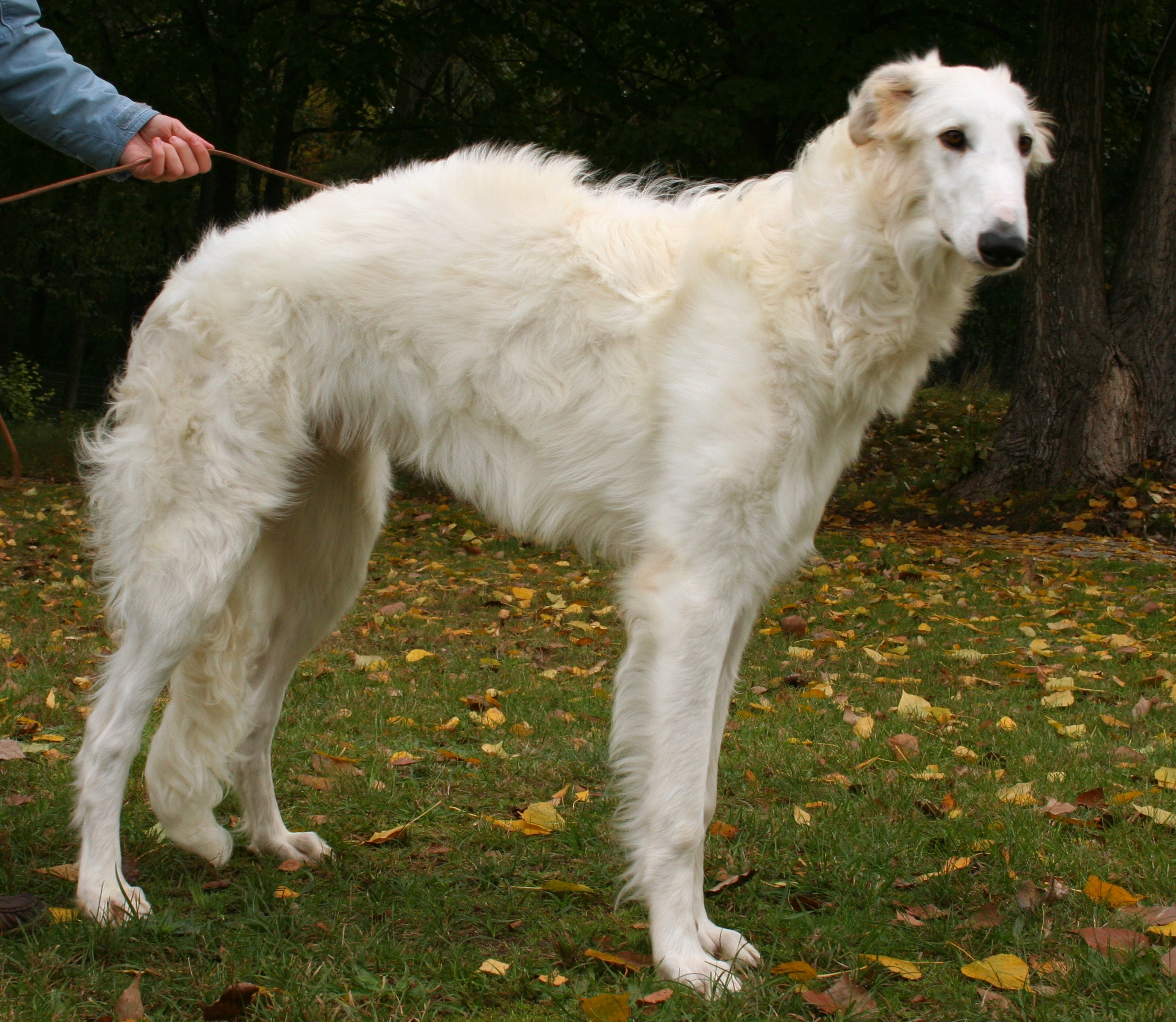
I've handled a lot of dogs (including other sighthounds), and the handful of Borzoi I've laid hands on (all "purebred" AKC versions)  have all felt... funny to me.

They're large dogs that look like they're supposed to be smaller, somehow. They're spindly and narrow, with wispy hair with that weird (and totally unnecessary) humped back and under my hands they feel... too light. Like they  have bones made of balsa wood, or they're actually hollow on the inside. That ridiculously extreme roman nose seems like it's full of air. Certainly, they feel delicate: fine china that would fall apart with too much pressure. Now that I'm writing this out, it occurs to me that all borzoi I've met, no matter the age, feel the way an old or sick dog does under your hands.


My friend and fellow vet tech Joellyn once told me she "prefers a dog she can thump on" (and then gave an affectionate thump on the ribs of her border collie for emphasis). I feel the same way; I don't like tiny shivery dogs.

I don't feel like AKC borzoi are dogs that can be thumped on.

Kind of sad for a breed whose other name is Russian Wolfhound and that supposedly descends from great and tough hunters of the Russian plains.

I wouldn't have thought of this at all, except I saw this recent post about some "real" borzoi (as in: non-AKC dogs in their country of origin, doing the job they were bred for, instead of being overbred to look a certain way for a show ring):


Now there's a dog you can thump on.

Monday, April 28, 2014

What Were They Thinking - Cat Rehoming Edition

Last week, a cat carrier appeared outside the door of Sundance Natural Foods in Eugene, Oregon. Inside was a scared cat, and on top was a fun little note:


The note reads: "Hello! My name is Gizmo but my last owners called me Gizzy. You can even give me a new name if you want. I'm looking for a new home and I'm pretty nervous and a little scared right now but I'll settle down as I get use to my new home. Let's see... a little about me. I usually hang out inside or outside. I don't need a litter box - I'll let you know when I need out to 'do my thing' by hanging out at the door. I like to eat inside and I like to come inside to sleep at night. I'm a lap cat and like the 'scratch behind the ears' thing. When you're ready to get up, just stand up, I kinda get a little irritated when people pick me up off their lap. It's my one and only fault if you want to call it that (smiley face). I get along with every body except little people and dogs that chase me and make lots of noise. What's their deal anyway?! Thanks for thinking about making me part of your family! Meow! (Smiley face)" Written in the margin: "Oh, by the way, I haven't had water for a while and I'm pretty thirsty")

So, yeah, that happened. And while, of course, your first reaction should be a mighty *facepalm*, (perhaps followed by a couple *headdesk*s), I personally can't help but really consider the decision process for these people.


I think I know these people. Oh, not specifically, but you've met them, too. They're the ones who show up at parties without a hostess gift, eat all the tasty finger food, then leave without helping to clean up. They never use their turn signal when driving. They ride their bike on the sidewalk, oblivious to pedestrians jumping out of the way. When they HAD a cat, he crapped and pissed in the neighbor's garden so often the rose bushes died, and they laughed about what a silly kitty he was. Immature? Yes. Clueless? Yes. Inconsiderate? Yes. Over all terrible people? I dunno. I doubt it.

That cheery little note, (moreso than if there HADN'T been a note), makes me want to hunt these people down, yank the organic sugar free chai latte from their hand, and dump it over their heads.

And yet...

They also tried their best, in their own immature little way. The usual method for dumping a cat is to toss it out in a residential neighborhood or country road at night and drive off. They made sure he was safe in a carrier with a (weirdly) thoughtful note. Did they already try alternative ways of rehoming this cat?

Googling the phrase "how to rehome a cat you can't keep eugene or" number 4 hit result is from a no-kill private cat rescue.... so great, this is the first place I'd look if I needed to rehome a cat.... but look what they say:

"There are very many excuses given for relinquishing your cat; however, there are few valid reasons... if, after examining your conscience and your heart, you still wish to relinquish your cat, please be willing to take the time and make the effort necessary to find him/her a good loving forever home. . .this is the least you can do. . .and you owe it to your cat. . . and, please, please, never adopt (or buy) another animal. .. Some humans should never have pets."

Wow. Judgey much? I understand. Beleive me, I do. but what is the goal with a heavy-handed rant like this,? If it's to vent and feel morally superior for a few minutes, well, mission accomplished I'm sure. But if you're goal is really to help pets, then venting your spleen on a page that's supposed to be a resource for pet owners in need is doing nothing to convince anyone of anything, and actually hurting your goals long term.

 This is not an uncommon attitude in animal rescue organizations.

If I'm an average pet owner who needs to rehome my pet, and I know I'm going to be judged harshly no matter what I do, by the very organizations who claim to be there to help, maybe I would prefer to  take the easier, anonymous route.

Gizmo's owners wanted to do the right thing. They were actually pretty close, and I can't help but wonder if, with a little more compassion for HUMANS from the animal rescue system (which includes myself, by the way), they might have actually made a better decision.

Thursday, April 24, 2014

Responsible Dog Breeding

What is 'responsible breeding'? If you want to buy a puppy, how do you choose a breeder who is 'ethical'? It may not be what you've been lead to think.

 Most people think that a responsible, ethical breeder only breeds purebred dogs that can be registered with the American Kennel Club (AKC) (in the US), or one of the other large breed clubs. Having "papers" is supposed to increase a dog's value, and ensure they're a healthy, typical specimen of the breed. It doesn't. This popular style of breeding is hurting dogs, and it's up to puppy buyers to stop it.

Although distinct dog breeds have been around for thousands, the current extremes in dog breeding became popular only about 150 years ago. That's when three things started to go wrong:

1) Closed studbooks leading to loss of genetic diversity
2) Increased genetic disease due to inbreeding
3) Breeding for extreme physical traits that affect dogs' quality of life

Unfortunately, many dog breeders don't think this is a problem. Many people are caught up in this fad of breeding and can't see that they're hurting the dogs they love. Other breeders simply don't care as long as it gets them a ribbon in the show ring and/or money from puppy sales.

Whether they're good people or not, whether they love dogs or not, whether they commit these crimes out of ignorance or not, these types of breeding practices should not be supported.

Here are some rough guidelines to choosing an ethical dog breeder. They are different from what you've probably read from the ASPCA or other animal welfare groups, and very different from what the AKC would have you believe. But, choosing a puppy based on these guidelines is one small step to ensuring that we have a healthy population of dogs for years to come.


How to Spot an Ethical Dog Breeder:


1) Their animals are housed, fed, and exercised appropriately based on individual needs
2) They use inbreeding sparingly, if at all
3) They support outcrossing/backcrossing
4) They avoid increasing obvious heritable disease in the population
5) They don't breed for extreme physical traits
6) They genuinely like dogs, and do things with them besides breed them
7) They take genuine interest in their puppies, and will always take them back if needed


Explanation:

1) Their animals are housed, fed, and exercised appropriately based on individual needs
There's no checklist for this. For example, dogs and puppies with "ribs showing" is normal on say, a Boxer, Saluki or German shorthair pointer. Likewise, many people think dogs should never live outdoors, but there are lots of dogs who are happy, or are actually meant to live outside 24/7. Having a large number of dogs on the property also isn't necessarily a bad thing: many breeding programs focused on genetic diversity, for example, require having lots of dogs around. It's also good for young puppies to socialize with adult dogs who aren't their parents. And some breeders just really like having a lot of dogs, which isn't bad if they're all cared for appropriately. Cleanliness is often misleading: some of the worst puppymills in the world are as sterile as a hospital room, while some of the best breeders, if caught on a bad day, will have puppies temporarily covered in their own poop.

Red flags: the dogs show signs of kennel insanity, (repetitive behaviors like spinning, ceaseless barking or lunging, etc); the breeders won't let you see the dogs "behind the barn"; they have small breed dogs that are never allowed inside; extreme matting on long-haired dogs; any dog that is housed with little to no human contact (with the rare possible exception of working livestock guardian dogs); puppies are listless, dull eyes, dull coats, bellies look bloated with worms, etc. or adult dogs are unhealthily fat; etc.

Good signs: they are happy to show you any and all animals on their property (not just dogs) and don't get offended by questions; even dogs that are kenneled/crated seem content (though they may be excited to see you);

2) They use inbreeding sparingly, if at all
Breeding close relatives on purpose is a tool that has been used for thousands of years in dog breeding. However, it is being over-used to the extreme today. Even healthy-looking dogs without obvious genetic disease are affected by a thing called "inbreeding depression". It causes immune system problems, difficulty conceiving, and small litter sizes, and shorter life spans. Inbreeding also reduces genetic diversity. Inbreeding is easy to avoid in this day and age, with most pedigrees available online, and so many ways to network and find mates for dogs. And we have so much knowledge about genetics now it's really a crime to ignore or deny it.

Red flags: they make excuses for why they "have to" breed close relatives; they claim that certain bad things are "normal for the breed" like small litter size, short life span, certain deformities or disease, etc;

Good signs: they are happy to explain their dogs' pedigree and breeding choices; they are outspoken about going out of there way to to avoid inbreeding even when it's difficult; they support outcrossing (see below);


3) They support outcrossing/backcrossing
Outcrossing is another tool that has been used in dog breeding for thousands of years (see below for more info). Unfortunately, (and inexplicably) many breeders and breed clubs like the AKC, are rabidly against backcrossing. They have been duped into believing a closed studbook is not only a good thing, it's the only way to breed dogs. Even though studbooks have only been closed for about 150 years or less (depending on the breed). They think that bringing in new blood somehow diminishes the breed, when in fact, when done thoughtfully, it only makes dogs healthier, happier, and longer-lived (see below for examples of outcrossing).

Red flags: they become angry at the mere mention of outcrossing; they claim outcrossing actually increases disease; they deny it's needed; they think it's possible to "breed out" disease within a closed studbook (this is a very common myth which simply isn't true: see below for more information).

Good signs: they actively support outcrossing for any breed, especially within their own; if they're breeding crossbreeds like labrodoodles, for example, they do so just as thoughtfully as if they were "purebred" breeders (with a critical eye on each parent, basic health screening, etc).

4) They avoid increasing obvious heritable disease
Most genetic disease is "invisible" meaning you can't tell a dog is affected or an unaffected carrier just by looking at it. Some diseases are visible or can be tested for. Still others occur on a gradient, meaning some dogs are affected worse than others. Sadly, many breeders will still breed dogs even when they know have diseases they will pass on to their puppies. This is another negative effect of closed studbooks being considered "normal", and considering many inbred-caused diseases to be "normal for the breed" and "not a big deal".

Before looking for a puppy, find out what diseases the breed is prone, and what kind of tests are available/common for the breed. Ask questions of the breeder, like: are the parents affected? The grandparents or aunts and uncles? Try to choose breeders that are actively outcrossing to eliminate or or "dilute" the disease (for example, if you want a dalmatian, only choose a one that is a LUA dalmatian).

Red flags: They don't do any testing at all (though many things don't have a "test"); they make excuses for diseases "it's normal", "it's not that bad", or that it's impossible to avoid breeding a carrier .

Good signs: the breeder is open and honest about diseases in their breed and/or in their dogs; the breeder has changed their mind about breeding a litter based on known or possible heritable disease (and is happy to explain why); they are actively outcrossing/crossbreeding to improve genetic health.

5) They don't breed for extreme physical traits
This is sometimes the hardest to convince people about, but extreme traits make life miserable for many dogs, all in the name of "fashion".

We all think pugs are cute, for example. But unfortunately, the average pug suffers every day of its life because of its physical deformities (see below for more info).  Dogs are great at putting on a brave face even while suffering, so even though they seem happy, they would be so much happier if we stopped supporting breeders who make them so extreme, and instead choose puppies that are more moderate in appearance (they're still cute!).

Pictured: illustration c. 1900 of non-extreme pugs that still look like pugs


It's not just pugs of course. English bulldogs and pekes have noses too short to breath properly; a lot of German shepherds have crooked backs and legs; most basset hounds have too much skin and parts of them drag on the ground; most Neapolitan mastiffs have way too much skin and are prone to skin ear and eye infections/injury... the list goes on.

There's even a word for it: "Qualzucht" which means "torture breeding", and it's so widespread that there is legislation against it in some European countries.

None of them have to look this way, despite what many people think. And what's more, and up until about 150 years ago, they didn't. Over just a few generations breeders have gotten off track to the point that even the general public thinks certain breeds "always look like that". Dogs are suffering for it.

All the excuses for keeping extreme traits are wrong. They're wrong morally, ethically, historically, and biologically.

Finding ethical breeders is harder for some breeds than others. For example, currently people who breed English bulldogs are almost all unethically breeding dogs with extreme short muzzles, skin problems, inability to conceive or give birth naturally, and can't cool themselves properly. They may be nice people and even think they love their dogs, but it doesn't change that what they do is horrible. Ethical breeders are out there, you just have to look harder to find them.

Red flags: simply having lots of ribbons in the show ring is a red flag since right now judges for most breed clubs reward extreme traits; the look of their dogs should speak for themselves: if it can't run, can't breath, or some part of it drags on the ground, too many wrinkles, too short of a nose... odds are it's suffering needlessly; they make excuses for extreme traits: "it's not that bad", "if it doesn't look like that, it's not really a (insert breed name here)", "it's cuter that way", "it's meant to be that way"; another red flag is breeders who focus strongly on one or two physical things about their "special line" of dogs, color or ear shape, for example, it probably means they're losing sight of health and temperament.

Good signs: again, the shape of the dog (usually) speaks for itself. Currently a breeder who focuses on a healthy shape is sometimes considered an "outcast" in the mainstream breeding culture (depending on the breed: it's especially true of the breeds listed above). They often advertise the fact that they're breeding this way, often using words like "working strain", or "old fashioned" or "moderate" versions of the breed. Keep in mind there are many ethical breeders that don't go dog shows, and often their dogs aren't able to be registered with a breed club. Sometimes breeders who want to reform or stop the downslide of a breed end up changing the name, or give a new name to their particular strain. For example, compare the "Olde English Bulldogge" or a "Leavitt Bulldog" to the modern "English Bulldog".


6) They genuinely like dogs, and do things with them besides breed them
Working, hunting, herding, playing, hiking, sports, etc. This criteria eliminates puppymill breeders from the equation, and also some show ring breeders  Remember: just because it has a shiny coat and "papers", doesn't mean it's not being abused or neglected.

There's nothing wrong with a dog who's only job is to hang out with people, but we should expect a bit more from dog breeders than we do the average dog owner.

Red Flags: they only touch their dogs to breed them, or show them; especially if they breed dogs with a lot of drive and energy whose original purpose involved work in some way.

Good signs: they are happy to talk about all the activities their dogs do, even the ones they sold years ago; at least some of their dogs do breed-specific activities (border collies and agility or herding; retrievers and dock diving or hunting; pit bulls and weight pulling; lap dogs and service dog work; etc, the list goes on, but you should know it when you see it).

 7) They take genuine interest in their puppies, and will take them back if needed
No ethical breeder wants any of their dogs to end up in an animal shelter, and they will take steps to make sure that doesn't happen. They may not have a written contract, but it should be clear that if a puppy buyer has to rehome a dog at any time, even if the dog is 15 years old, the breeder wants it back.

Red flags: they sell puppies to whoever comes with cash in hand, without giving out any information, business cards, signing a contract, getting contact information, etc. They don't show interest in puppies they've made in the past, or in who wants to buy their puppies or where they're going.

Good signs: a written contract that states clearly that they will take the dog back, no matter how much time as passed; the breeder microchips the puppies and lists themselves as a permanent secondary contact on the chip registry; the breeder wants to stay in contact, and wants occasional updates on how their dogs are doing, if they're good workers, if they've developed disease, etc.


NOTE:
There are many good, dog-loving people (who would be considered "responsible" by many) who are actually unethical dog breeders under these guidelines. The main culture of dog breeders have deeply held beliefs that they cling to with almost religious-like fervor, even as they're hurting dogs in both the short and long term.  As the saying goes, good intentions pave the way to hell. In the end, it doesn't matter if a breeder is a good person, or if they THINK they're doing the right thing. If Mother Teresa was breeding inbred pugs with no noses, I would criticize her, too.


Further Reading


Pedigreed Dogs Exposed - the documentary


The Canine Diversity Project

The Institute of Canine Biology

Canine Inherited Disorders Database

Inbreeding

Why is science so important to dog breeding? 
Why closed stud books are bad and outcrossing is good
Why is inbreeding bad?
The Science of Inbreeding 
What is Popular Sire Syndrome?
What is Inbreeding Depression

How to breed dogs with stronger immune systems
Why is inbreeding wrong? 1, 2, 3, 4, 5
Why health testing in purebred dogs is limited and won't save us from too much inbreeding
Poodles are in trouble from inbreeding

What has closed stud book done to the Afghan Hound
Cavalier King Charles Spaniel and Episodic Falling Syndrome 


Outcrossing

How Backcrossing Works
Are Mixed Breeds Healthier?

Crossbreeds generally live longer
Outcross example in German Pinschers
Outcross example in Nova Scotia Duck Tolling Retrievers
Outcross example in Dalmatians

Extreme Physical Traits

What is 'Torture Breeding'
Another example of torture breeding
True history of the pug

Pug snores aren't "cute", they're slow, life-long torture
How the West ruined the Shar-pei
Show vs. working strain Labradors
Deformed basset hounds winning awards in the show ring
Deformed mastiff won "Best of Breed" at a Club UK's Breed Open Show
Structural problems in Frenchies (and what breeders AREN'T doing about it)
English bulldogs are all handicapped
100 years of breed "improvement"

Cultural Problems

Ignoring history and biology, breeders freak out over minor things like coat color
Kennel clubs don't guarantee healthy animals nor stop puppy mills


Acknowledgements
I'd like to especially thank a few people who are far more knowledgeable on this subject than I am, have been writing about it longer than me, and are all-around inspiring and you should read their stuff:

Scott Westfall
Jess Ruffner
Christopher Landauer
Jemima Harrison
Heather Houlahan

Wednesday, February 19, 2014

Redefining "Responsible Breeder"

Due to my line of work, I often hear a lot of hate leveled at dog breeders.

If pressed, most rescuers will grudgedly admit that breeding dogs is OK, but only if it's done by "responsible breeders". Trouble is, our current, loose definition of "responsible breeder" is all wrong, and will hurt the long-term health of the dogs we love so much.


For example, consider this sale ad that came through my Facebook feed last year for Chesapeake Bay Retriever / German Shorthair Pointer cross puppies:


Or, for another example: that same year, a friend of mine had a litter of fourteen Labrador / German shorthair pointer cross puppies. They sold like hotcakes. Some people drove hundreds of miles to pick one up. Some went to pet homes, but most went to people who wanted an all-around hunting dog.


Both examples we'd probably call "backyard breeders". Bad, irresponsible people making mutts and taking away homes from shelter dogs, right? And yet we, as a dog-loving rescue community, should not only be OK with these breeders, we should be glad they bred their dogs. And we should hope that a few of the puppies from this litter grow up to have a few puppies of their own. 

Why? Because our current definition of "responsible breeding" is leading to a devastating loss of genetic diversity, increased accumulation of genetic disease, and dogs that suffer from extreme physical deformities that affect their quality of life.

This is a real problem that hardly anyone is talking about. Inbreeding causes problems all by itself, and so many people either aren't thinking about this, or are in denial about it. There is also the related but separate problem of genetic disorders that build up in purebred dogs over time. So many "responsible" dog breeders think that if they just breed "the best to the best", it will solve all genetic problems. This just isn't true.


There is no earthly reason that "responsible" should mean "pure bred". Crossbreeds are, on average, healthier and live longer than their "pure bred" counterparts. Closed stud books are a new and not terribly great idea. Most people also forget that closed stud books ignore breed histories where one or more closely related breeds traditionally mixed, but are now isolated. For no good reason.

The examples I gave above are not mutts. They are a  crossbreed of two complimentary dogs. This particular example happen to be hunting dogs, but crossbreeding is a fine idea if you want to make a dog who's job is to be a cute companion, too.

We rescue folks act like the shelters are over-flowing with puppies "from irresponsible breeders", but look around - you never see a lot of puppies in a shelter, or if you do, you won't see the same puppies if you visit a week later. Puppies are always in high demand. At the Oregon Humane Society, the largest animal shelter in Oregon, puppies are usually adopted the same day they hit the adoption room floor. They sometimes have to call other shelters looking for more puppies because they have more demand than supply.


There are a lot of reasons that dogs end up in shelters, but it's not because of "too many puppies". Take the two examples at the top of the page - those two litters of puppies went to homes that wouldn't have gone to a shelter anyway.


Now, let's look at a "responsible breeder".

Photo by Anne Goetz*

Anne Latimer Goetz breeds purebred, AKC-registered Neapolitan Mastiffs. She takes her dogs to shows, and wins prizes. They sleep in the house with her, get lots of cuddles and treats, and have a nice big yard to play in. She doesn't breed very often, and sells the puppies for a lot of money to select homes with a contract. She always allows buyers to meet the parents. I'm checking off all the little boxes on this form and, hey, it looks like we have bonafide "responsible breeder", right?

Photo by Anne Goetz*

Except that this woman is scum who should be criminally charged with animal abuse. The dogs she creates on purpose are deformed freaks who have never lived a fully comfortable day in their short, pain-filled lives. And that's just from their physical deformities. They're also an inbred, genetic mess, riddled with heritable disease that Anne (and so many like her) ignore or deny to avoid changing the way they do business.

Does Anne love her dogs? Probably. Is she an ethical dog breeder? Absolutely not.

Throw out the damn checklist, and stop using "backyard breeder" like it's a four-letter word. It's people like Anne who should be shunned from polite society. And she certainly doesn't deserve to be called "responsible".


EDITED 4/24/14: here are my revised suggested guidelines for what an ethical breeder actually looks like.


*Photos used under Fair Use doctrine for purposes of scholarly criticism. In case that wasn't clear.


Tuesday, February 11, 2014

Thoughts on Oregon Taking in California Shelter Dogs

I don't like it.

(TL:DR: don't support transport: think globally, but rescue locally.)


Yes, the volunteers advertising these "death row dogs" are doing a good thing.

Yes, the concerned citizens pledging money to save their lives ...are doing a good thing.

Yes, the rescues who pull these dogs, quarantine them, then transport them to another rescue  ...are doing a good thing.


Yes, the rescues, shelters, volunteers, and foster homes in Oregon who accept these dogs ....are doing a good thing.

And yet... the whole thing is stinks.

How can so many kind, giving people, doing good things equal a whole of badness?

...Because California has twelve times the GDP that Oregon does, and has has ten times the number of people. The CITY of LA has roughly the same population as the entire STATE of Oregon. More people and more money means more adopters (customers), foster homes, donators, advertisers, volunteers, shoppers, photographers, etc. Why on earth are needy animals going North?! If anything, logic says they should be heading the opposite way!

...Because Oregon has plenty of our own dogs to worry about. I don't mean to say, 'no more California transfers until every shelter in Oregon is no-kill.' But it also doesn't makes sense that the shelters who take in California dogs are turning away local residents and rescuers who need help.

...Because these LA shelters are rotten, set in their ways, and every dog we help keeps them in business doing things the same way they always have. Until they change their operations and policies, we will see many more dogs needlessly killed than we can save.

This Face Book posting of a "death row" dog is just one example (among hundreds) of what's wrong. She came into the shelter with puppies. They became adoptable on Feb. 3, and were all adopted by Feb 9th. Now that the cute, highly adoptable puppies are gone, the shelter is threatening the mother with death, and won't lift a damn finger to help, not even to place a temporary death hold, even when another 501(c)(3) rescue offers to take her, and citizens have pledged at least $125 for her care. I grabbed screencaps:


Here's another terrible example from January, where the shelter threatened a mama and five puppies with death. People raised over $600 to save the entire family. Then the shelter suddenly realized how cute and adoptable the pups were, and then said they decided to keep the pups, and were only threatening to kill the mom. In the end, the mom was pulled, and the shelter is selling adopting out the moneymakers puppies.


Here's the way it should work:

Step 1) Shelter advertises a harder-to-adopt dog (no death threats, but simply asking for help).

Step 2) Another non-profit sees the ad and says "we'll take her".

Step 3) Shelter replies, "great, we will take care of the logistics and let you know when your dog will be arriving. We will do this legwork happily because: a) you're doing us a favor; b) we already have all the contact information for local rescues (my god, look how big this list is!) that will handle pulling/quarantine/transport; c) there are lots of people volunteering to help and giving us money; d) helping stray and homeless animals is why our organization exists and what we are PAID to do by tax dollars and/or donations."

It's called a rescue transfer. It's a very common practice. Not rocket science.

You know what else isn't rocket science? Employing other methods to save shelter animal lives, besides simply resorting to threatening the public with killing an animal.

a) They don't have their own website. North Central is one of several facilities that are part of LA's municipal shelter system. Just this one facility houses over 200 animals, and don't even have their own website.

b) If you visit their Petfinder page, it's undeveloped and ugly-looking, with a negative tone (highlighting zoonotic diseases, dogs biting children, and how difficult it is to adopt a dog from them), and almost half the animals listed for adoption don't even have photographs or descriptions, which is strange because they seem to have photos of all their animals elsewhere (though many are terrible). Having good photographs of shelter animals is very important, and easy to do.

c) The calender of events for the entire LA shelter system is empty. There is literally nothing planned for all of 2014. No adoption events, no fundraisers, nothing. They appear to do some fundraising around the holiday time, but they aren't making much of an effort to take advantage of the large population of LA pet lovers.

d) I randomly picked a meeting minutes to read, and lo and behold, it contains complaints from several volunteers that both the public and rescuers aren't treated well by employees at the shelter, and the shelter administration puts roadblocks in the way of rescue transfers.

e) They 'allow' (barely) outside volunteers to do all the marketing work for them (even the facebook page is maintained by volunteers outside the system) (also fundraising for them). Animal-lovers take and post and network photos and descriptions and as a thank you, the management threatens dogs with death, daily, unless these volunteers do all the work to save them.

In other words, they market terribly, put roadblocks to adoption/transfer, then complain that they're "forced" to kill adoptable animals. 

This is not something I want to support.


If one of my volunteers comes to me with a California dog they've especially fallen in love with, I will do what I can to help them.

But until these under-performing animal "shelters" in southern California start cleaning up their act, I want no part in supporting them. I will not advertise their dogs, I won't share their stories, I won't 'like' them on facebook, and I will actively discourage other rescues from doing the same.

No, I don't know if there's a fast way to force them to do their jobs correctly. They appear to be making a few steps in the right direction, but not enough, and not fast enough.

I do know it's possible. Simply removing roadblocks to transfer and adoption would probably get them most of the way towards not killing an average of 400 animals per month they are currently. (That's stats for the entire LA shelter system, not just North Central). There are obviously hundreds of people in the LA area willing to volunteer a lot of time and money to help these animals already: if half of the time and money were put towards demanding change at the shelters, it would lead to positive benefits that would help more animals in the long run then these last minute, desperate death row pulls do.


If the we, as a community of private rescues, save 300 dogs from this shelter this month, but they kill another 400 because of their own laziness, have we really helped all that much? If we instead focus on changing the shelter policies for the better, then we would instead have saved all 700... You see what I'm saying?
 
I can't do much about reforming a shelter hundreds of miles away. I already have my hands full rescuing local animals, and doing my best to reform the under-performing shelter in my own area. Reforming SoCal's shelters is going to have to be up to the caring citizens of SoCal.

Kill the excuses, not the dogs.